-cropped.svg)
.svg)
.jpeg)

- The Top 5 Reasons for Ophthalmology PA Denials
- The Fix: Strategies to Prevent Denials Before They Happen
- Final Thoughts
The letter arrives, often by fax or mail, and its message is blunt: "Prior Authorization Denied." For an ophthalmology practice, this is more than just a piece of paper; it's a disruption to patient care, a financial headache, and a drain on staff time. But what if you viewed a denial not as a final decision, but as a communication problem that can be solved? By understanding the most common reasons for these denials, you can provide actionable strategies to prevent them.
The Top 5 Reasons for Ophthalmology PA Denials
Ophthalmology prior authorization denials often fall into a few predictable categories. Here are the top five reasons you might be getting denied and what to look for.
- Reason 1: Missing or Inadequate Clinical DocumentationThe most frequent cause of denial is the lack of a clear, documented case for "medical necessity." Payers require thorough proof that the requested treatment or procedure is clinically necessary for the patient's specific condition. This means your submission must include all relevant supporting documents, such as visual acuity reports, OCT scans, and a detailed clinical rationale that directly ties the diagnosis to the proposed treatment.
- Reason 2: Incorrect or Mismatched CPT/ICD-10 CodesA simple typo or a mismatch between your codes and the patient's diagnosis can lead to an instant denial. The CPT (Current Procedural Terminology) and ICD-10 (International Classification of Diseases) codes on your PA request must accurately and precisely reflect both the diagnosis and the procedure being requested. An error here is often a red flag that prompts an automatic rejection.
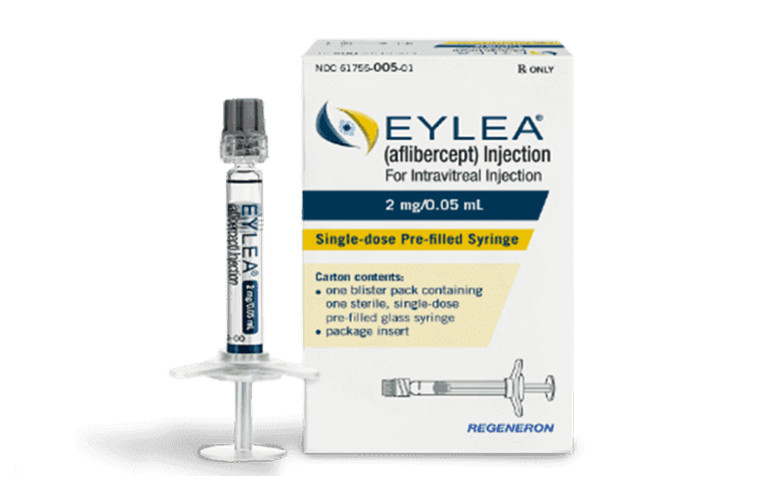
- Reason 3: Failure to Follow "Step Therapy" RulesFor many medications and procedures, particularly high-cost ones, insurers require "step therapy" or a "fail first" protocol. For a retinal specialist, this can mean a denial for a drug like Eylea because the patient has not first been documented as having a failed trial with a less expensive alternative. If this is a barrier, your appeal must explicitly state why the required step was either completed and failed or was not clinically appropriate for the patient's condition.
- Reason 4: Timeliness and Submission ErrorsPrior authorization requests often have strict deadlines, and a late submission can be a simple reason for denial. Logistical errors are also common: using an outdated form, sending the request to the wrong fax number, or failing to include a specific reference number can all derail the process before it even starts.
- Reason 5: Patient Eligibility and Coverage MismatchesA denial can sometimes be as simple as a clerical oversight. A patient’s insurance card may have expired, their plan may have changed, or the specific service may not be covered under their current policy. It’s crucial to verify patient eligibility and coverage details at every appointment, not just for new patients.
The Fix: Strategies to Prevent Denials Before They Happen
Denial management doesn't have to be a reactive, time-consuming process. The best approach is to be proactive.
- The Proactive Approach: Shift your practice's workflow from fighting denials to preventing them. You can do this by implementing a detailed, standardized checklist for every PA submission.
- Leverage Technology: The ultimate solution is to leverage technology that can automate the most common failure points. A well-designed AI prior authorization platform can instantly check for missing documentation and flag potential coding errors before a request is ever submitted. It can also stay updated on payer policies in real time, so your team never has to worry about using an outdated form.
Final Thoughts
Prior authorization denials are a significant and costly problem in ophthalmology. But by understanding the root causes—from missing documentation to simple administrative errors—you can take control of your revenue cycle. An AI platform not only helps you reduce denials, but also improves patient care by reducing treatment delays and freeing up your staff to focus on what they do best.
Ready to stop the denial cycle? See how an AI platform can transform your prior authorization process.