-cropped.svg)
.svg)


- What Eligibility Verification Actually Does
- What the 271 Response Does Not Tell You
- Where the Gap Shows Up in Practice
- Why Specialty Practices Feel This More Acutely
- What Coverage Intelligence Does With Eligibility Data
- The Relationship Between the Two
- What This Means Operationally
Executive Summary
Eligibility verification is one of the most consistently performed pre-service tasks in specialty practice administration. It is also one of the most consistently misunderstood in terms of what it accomplishes. A standard eligibility check confirms that a patient has active insurance coverage and returns general benefit information. But, it does not confirm whether a specific procedure is covered under that plan, whether prior authorization is required for the CPT codes being scheduled, or whether the patient's cost-sharing accumulation status will affect what they owe. For specialty procedural practices, those are the questions that determine whether a case produces the revenue it should. Eligibility verification opens the door. Coverage intelligence is what practices need to walk through it.
What Eligibility Verification Does
When a practice submits a HIPAA 270 eligibility inquiry and receives a 271 response, what comes back is a structured confirmation of plan enrollment. The response confirms that the patient's coverage is active as of the inquiry date, returns the plan's general benefit configuration including deductible amounts, coinsurance percentages, and copay structures, and may indicate whether certain service categories require a referral.
That is genuinely useful information, and practices that run these checks consistently are better positioned than those that do not. The problem is not with eligibility verification as a process. It is with the assumption that a clean 271 response means the coverage picture is understood.
The 271 response is a snapshot of plan-level benefit structure. It reflects what the payer has filed with the clearinghouse or made available through its API at the moment of inquiry. What it does not reflect is how those benefits apply to the specific procedure being planned, what the payer will require before it approves that procedure, or whether any plan-level policies have changed since the last time the practice managed a similar case. It confirms enrollment. It does not interpret coverage. For a fuller picture of where coverage understanding breaks down across the pre-service workflow, the Coverage Intelligence glossary maps the vocabulary of what sits between eligibility confirmation and protected revenue.
What the 271 Response Does Not Tell You
The specific gaps in the standard eligibility response are worth naming, because they are the points where pre-service revenue risk accumulates.
Authorization requirements by CPT code are not contained in a 271 response. Whether a colonoscopy requires prior authorization under a particular Medicare Advantage plan, which CPT modifiers trigger a separate authorization requirement, and whether the payer's authorization criteria for a given procedure changed in the last quarter . None of this is surfaced by eligibility verification. Staff who treat the eligibility confirmation as the point where authorization scoping begins are already behind. The authorization decision needs to be made before scheduling is confirmed, which means the coverage intelligence question needs to precede the eligibility verification step in the workflow, not follow from it.
Documentation criteria are similarly absent. Even where a practice knows authorization is required, the 271 response provides no guidance on what that payer's reviewers will need to see to approve the request. Different Medicare Advantage plans administered by the same insurer can carry materially different documentation requirements for the same procedure. That variation exists in the payer's coverage policy documents, not in the eligibility response, and it changes on timelines that rarely align with the practice's awareness.
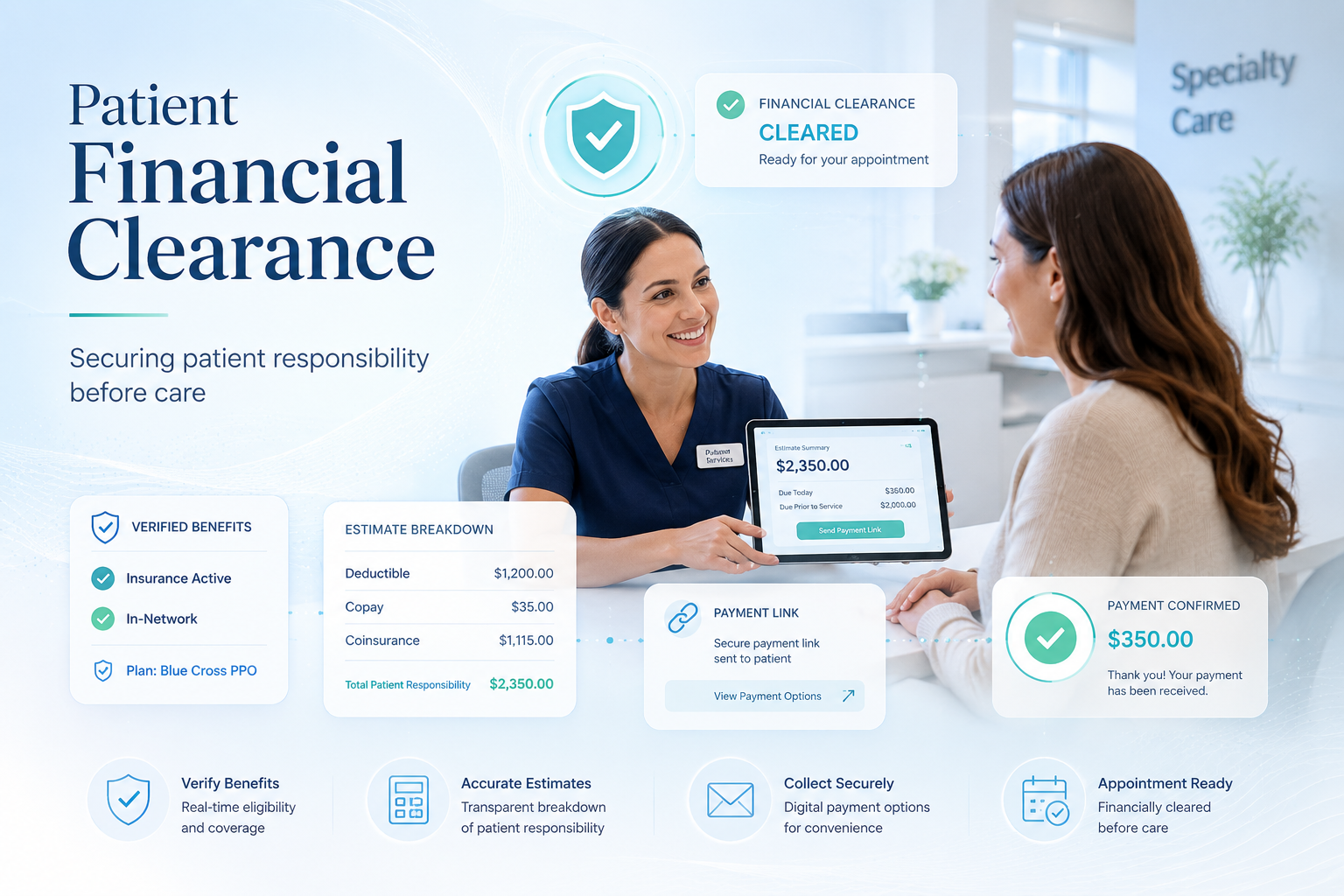
Accumulator status is the third significant gap. The 271 response returns the patient's deductible amount and may return a year-to-date accumulator figure, but that figure reflects what the payer has processed and posted as of the inquiry date, which may be days or weeks behind actual activity depending on claim processing timelines. A patient estimate built on a deductible accumulator that is two weeks stale can produce a financial surprise at the point of service, which is exactly the kind of patient experience that drives complaints and delayed payment. Understanding where these gaps compound across the full lifecycle is the subject of the coverage lifecycle.
Where the Gap Shows Up in Practice
The practical consequence of treating eligibility verification as sufficient coverage confirmation shows up in patterns most specialty practices will recognize, even if they have not traced them back to this root cause.
A case moves through scheduling with a clean eligibility confirmation. Authorization is initiated after the fact, against requirements the practice assembled from memory or a portal that was last checked two weeks ago. The submission goes out with documentation that addresses most but not all of what the payer needs. A pend request comes back asking for additional clinical context. The clinical team responds. The payer responds again with a peer-to-peer request. The procedure, originally scheduled for two weeks out, is now six weeks out and the patient has called three times asking for an update.
At no point did anyone make a mistake in the narrow sense. The eligibility check was run. The authorization was initiated. The documentation was assembled. The failure was upstream of all of it, in the assumption that confirmed enrollment was the same as confirmed coverage, and that the authorization process could begin after scheduling rather than before it.
This pattern is not rare. The AMA's prior authorization surveys document that physicians and their staff spend an average of 14 hours per week on prior authorization work, with 93% of physicians reporting that authorization requirements have led to care delays in at least some cases. The administrative cost runs to roughly $23,000 per physician per year. Those figures are not the result of eligibility checks being missed. They are largely the result of the coverage intelligence work that follows eligibility verification being done manually, late, and against incomplete information.
Why Specialty Practices Feel This More Acutely
The eligibility-to-coverage-intelligence gap exists in every practice that bills insurance. In specialty procedural settings, its financial consequences are concentrated in ways that make it a different order of problem.
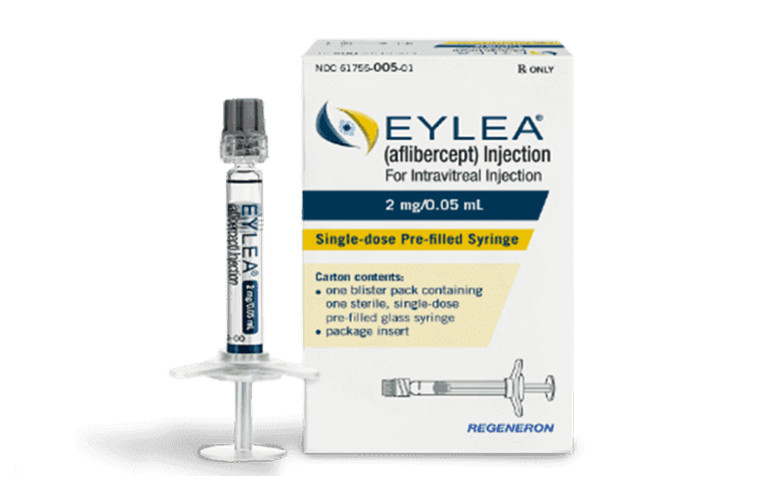
A primary care practice that misses an authorization requirement on a routine visit is dealing with a modest claim at risk. An ophthalmology practice that misses an authorization requirement on an anti-VEGF injection is dealing with a claim that may represent several thousand dollars, a treatment sequence that cannot be interrupted without clinical consequences, and a payer relationship where step therapy requirements and medical necessity criteria are applied with a specificity that the eligibility response does not begin to capture. The patterns behind those denials are documented in decoding the denial, and they trace consistently back to authorization criteria that were not fully known at the time the case was prepared.
The same concentration applies in GI practices managing endoscopic procedure authorization, orthopedic groups navigating implant-specific coverage rules, and surgery centers where a single case involves multiple CPT codes, each of which may carry a different authorization status under a given plan. In all of these environments, the eligibility response is the beginning of the coverage question, not its resolution. The volume and specificity of what follows is what makes the gap between the two so consequential for specialty practices specifically.
What Coverage Intelligence Does With Eligibility Data
Coverage intelligence does not replace eligibility verification. It uses the eligibility response as a starting point and builds outward from it in the specific directions that specialty procedural practices need.
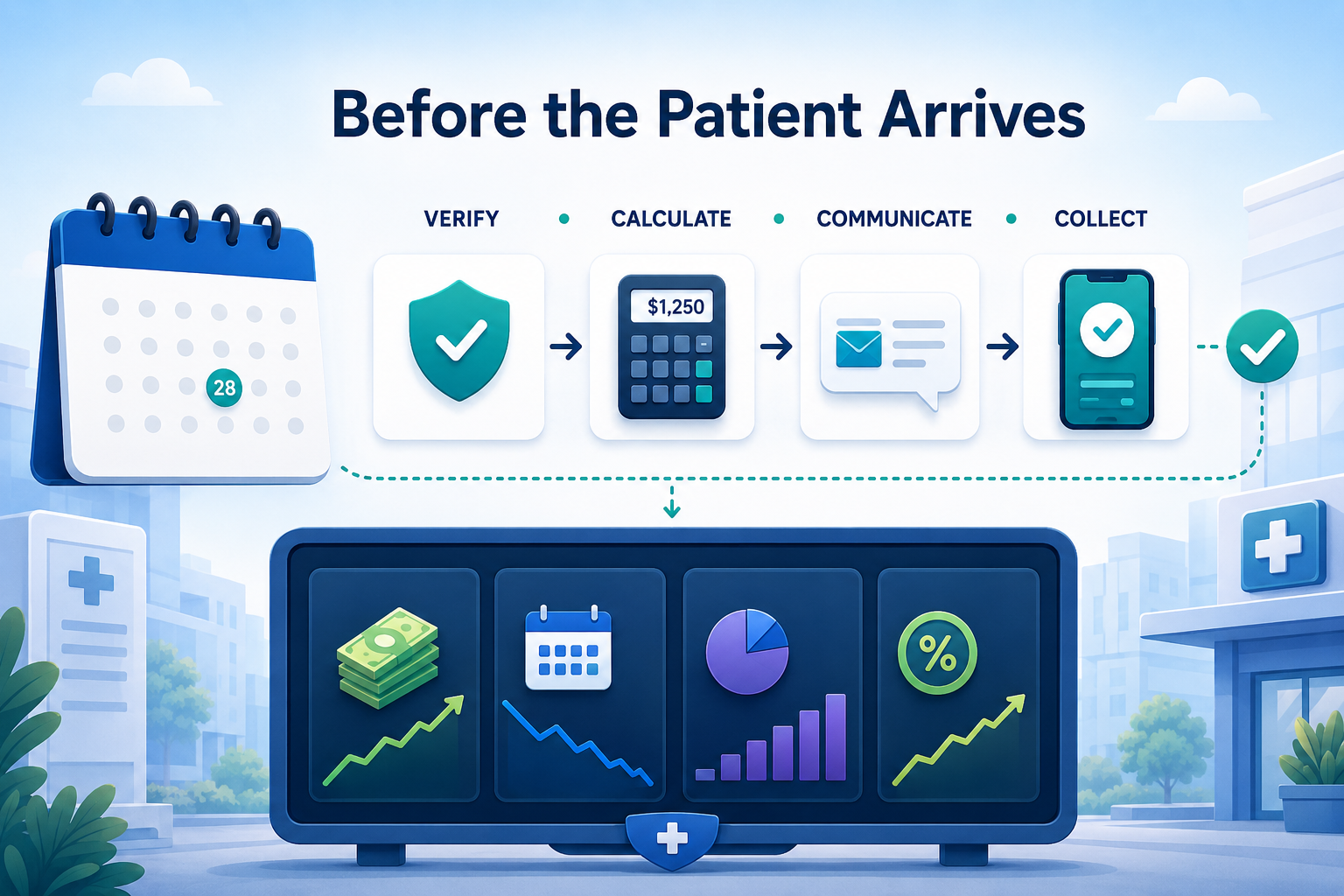
Where the 271 response confirms a plan is active, coverage intelligence queries the payer's authorization requirements for the CPT codes on the schedule, surfaces whether any of those codes require prior authorization under the specific plan tier the patient holds, and returns a determination before the appointment is confirmed rather than after. Where the 271 response returns benefit structure, coverage intelligence interprets how that structure applies to the planned procedure, accounting for plan-specific cost-sharing rules, accumulator status, and any coordination of benefits conditions that affect what the patient will owe.
The distinction is between transaction and interpretation. Eligibility verification is a transaction: a query goes out, a structured response comes back, and the response is recorded. Coverage intelligence is interpretive: the response is read against the specific clinical and administrative context of the case, cross-referenced against payer policy data that sits outside the 271 response, and used to drive decisions about authorization, documentation, and patient financial communication before care is delivered. How this interpretive layer fits into the broader operational architecture is explored in the Coverage Intelligence cornerstone.
The Relationship Between the Two
It is worth being direct about something that often gets muddled in how practices think about their pre-service workflows: eligibility verification and coverage intelligence are not competing approaches or alternative framings of the same activity. They are sequential, and the sequence matters.
Eligibility verification comes first. It confirms that a patient has coverage worth building on and returns the benefit data that coverage intelligence needs to do its work. A practice that does not run consistent eligibility checks is missing the foundation. A practice that runs eligibility checks and stops there has the foundation but has not built anything on it.
Coverage intelligence is what the eligibility data feeds into: the layer that determines what coverage means for this case, this payer, and this procedure, and that ensures the practice has what it needs to protect the revenue before care is delivered rather than to recover it afterward. The two capabilities are designed to work in sequence. The gap in most specialty practices is not that one is present and the other is absent. It is that eligibility verification is systematized and coverage intelligence is ad hoc, left to experienced staff members who carry the interpretive knowledge in their heads and who, when they leave, take that knowledge with them.
What This Means Operationally
The operational implication of this distinction is straightforward, even if the implementation is not. A practice that wants to close the gap between eligibility verification and coverage intelligence needs to examine where in its workflow the interpretive work currently happens, who is doing it, how consistent the results are, and what the consequences are when the interpretation is wrong or missing.
In most specialty practices, that examination reveals that authorization scoping happens after scheduling, that documentation criteria are assembled from sources that may be outdated, that patient cost estimates are calculated manually by staff who are working from a 271 response that may not reflect current accumulator status, and that the consistency of these interpretive steps depends heavily on individual staff experience rather than on a systematic capability. That is not a criticism of the people involved. It is a description of what happens when coverage intelligence work is performed manually, without a dedicated layer of the technology stack designed to do it.
The practices that have addressed this systematically tend to find that the volume of authorization-related rework drops, first-pass approval rates improve, patient billing complaints decrease, and the staff time that was being consumed by authorization follow-up and patient balance conversations shifts toward higher-value work. What changes is not the effort applied to the coverage question — it is when that effort is applied and how consistently the interpretive work produces accurate answers. The technology infrastructure behind that shift is what the missing layer in the revenue cycle technology stack describes in detail.
Final Thoughts
Eligibility verification is not a step to skip or minimize. It is a necessary part of every pre-service workflow, and practices that run it consistently are better positioned than those that do not. The point of this piece is not to diminish that work. It is to name what comes after it, because what comes after it is where most of the coverage-related revenue risk in specialty practices actually lives.
The 271 response tells a practice that a patient has coverage. It does not tell the practice whether that coverage will translate into a clean authorization, a properly scoped patient estimate, and a reimbursable claim on the other side of the appointment. Answering those questions requires a different kind of work: interpretive, continuous, and embedded in the scheduling and documentation workflow rather than completed as a separate administrative step after the clinical decision has been made.
Specialty practices that understand this distinction tend to approach eligibility verification differently. Rather than treating it as the end of the coverage question, they use it as the starting point.
Want to see how Manta's Coverage Intelligence platform picks up where eligibility verification leaves off? Book a demo.